When I was in high school, my homeroom teacher told me, “Bartosz, you won’t change the world.” Instead of discouraging me, those words fueled my determination. Since then, I’ve believed that every decision we make and every action we take has the power to change the world. I stopped talking and started doing.
The issues that have always been closest to my heart are climate and environmental protection. I have long believed that it is fundamentally unjust that, after centuries of human activity, we continue to neglect future generations who will have to face the severe consequences of the climate crisis. This crisis directly contributes to migration, undermines the protection of human rights, and worsens living conditions for millions of people around the world.

One of my first acts of civic engagement, at the age of sixteen, was attending a rally held by the incumbent President of Poland, Andrzej Duda, during which he announced his candidacy for re-election. I brought a banner reading “Protect the Climate, Protect People,” as a clear appeal for the Head of State to adopt ambitious climate mitigation and adaptation goals. Unfortunately, the President’s response focused primarily on tree planting initiatives. While the action generated nationwide media attention and sparked a week-long public debate about youth participation in politics, it did not lead to any tangible policy changes.
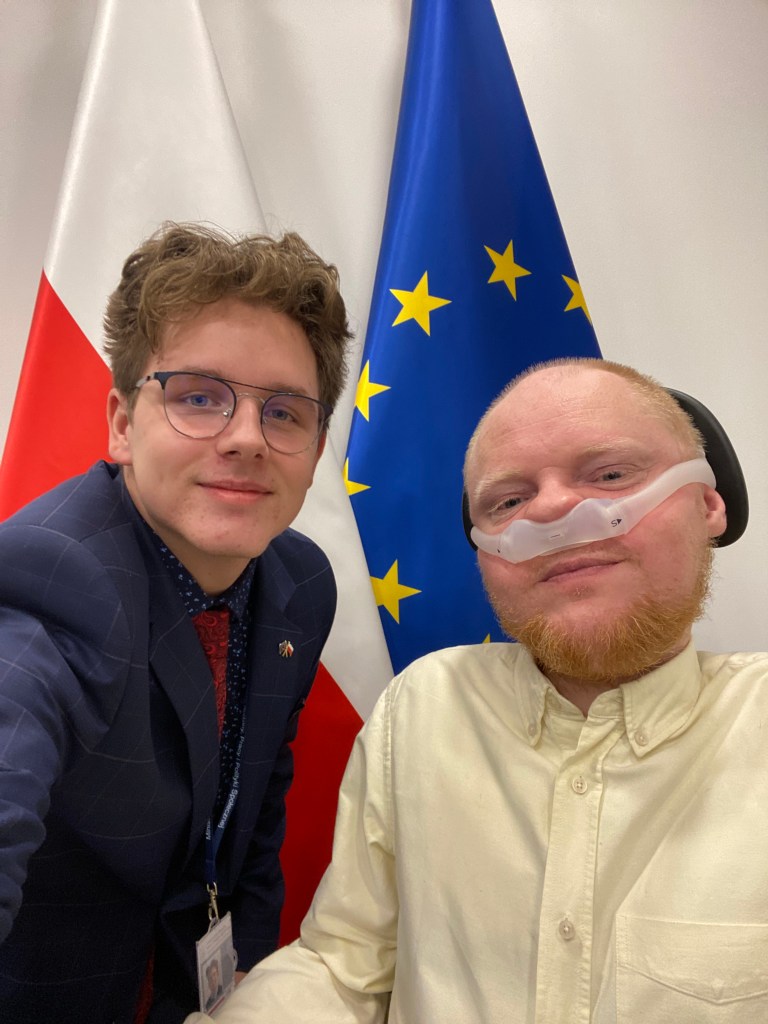
This experience motivated me to become even more involved. I concluded that if I wanted to contribute to meaningful change, I needed to engage directly in public affairs. I began working in the press office of a Polish political party which, several years later, became part of the governing coalition. Through my involvement in four election campaigns, I gained valuable experience in political communication and public engagement. I worked to ensure that the perspectives of young people were reflected in political discourse and advocated for issues that had long been neglected, including the rights of vulnerable and marginalized groups.

After gaining sufficient professional experience, I joined the Polish Ministry of Family, Labour and Social Policy, where I worked alongside a Secretary of State responsible for disability policy. This role profoundly shaped my perspective and brought human rights issues even closer to my personal and professional interests. Following the completion of my internship, I was offered a position at the Ministry of Education as an assistant to the Secretary of State responsible for international cooperation in education. In this role, I had the opportunity to contribute to the development of environmental education policies in schools and to participate in discussions with leading technology companies, including Microsoft, Apple, and Google, on the future of digital policy in Polish education. I also joined the Polish delegation to the World Education Forum, where I had the opportunity to engage with ministers and policymakers from various countries.
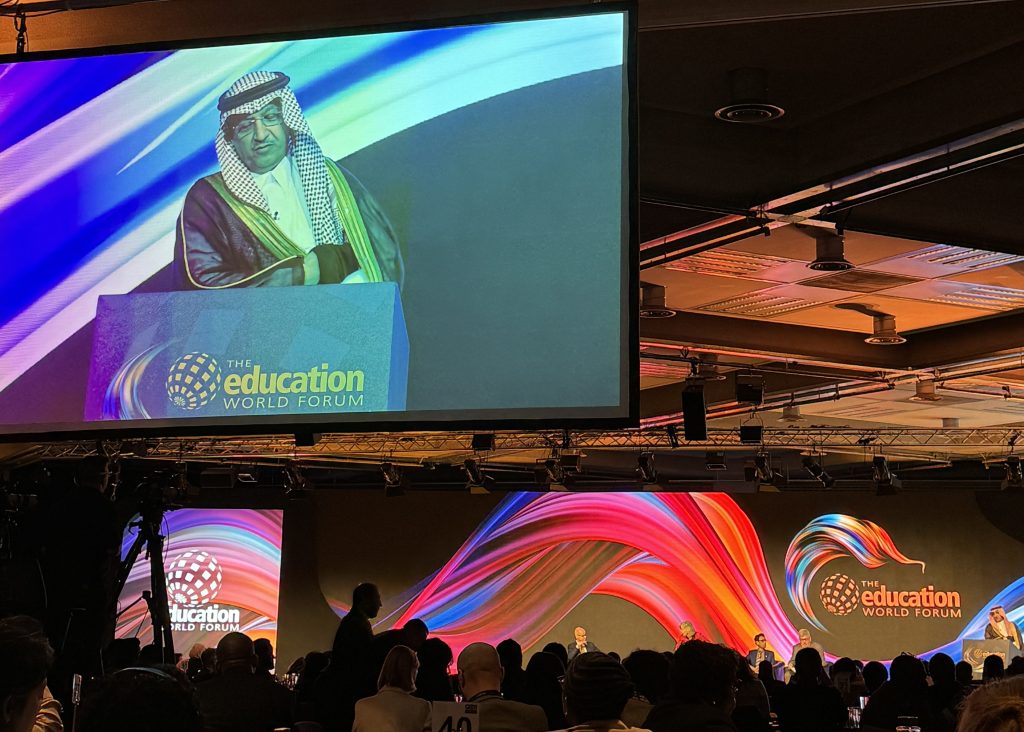
Over time, however, I became increasingly aware that politics is often constrained by populism, misinformation, and political calculations that can hinder genuine public service. As a result, I decided to step away from partisan politics and focus instead on non-political initiatives that promote human rights, strengthen international cooperation, and contribute to addressing humanitarian crises.
After graduating in International Relations from University of Warsaw, I set my sights on a career within an international organization dedicated to the protection of human rights. I firmly believe that such institutions are uniquely positioned to make a meaningful impact by providing direct support to people in need, safeguarding fundamental rights, and addressing the challenges faced by vulnerable communities around the world.
 Bartosz marzec